

What is Chiropractic and how does it work?
What is chiropractic?
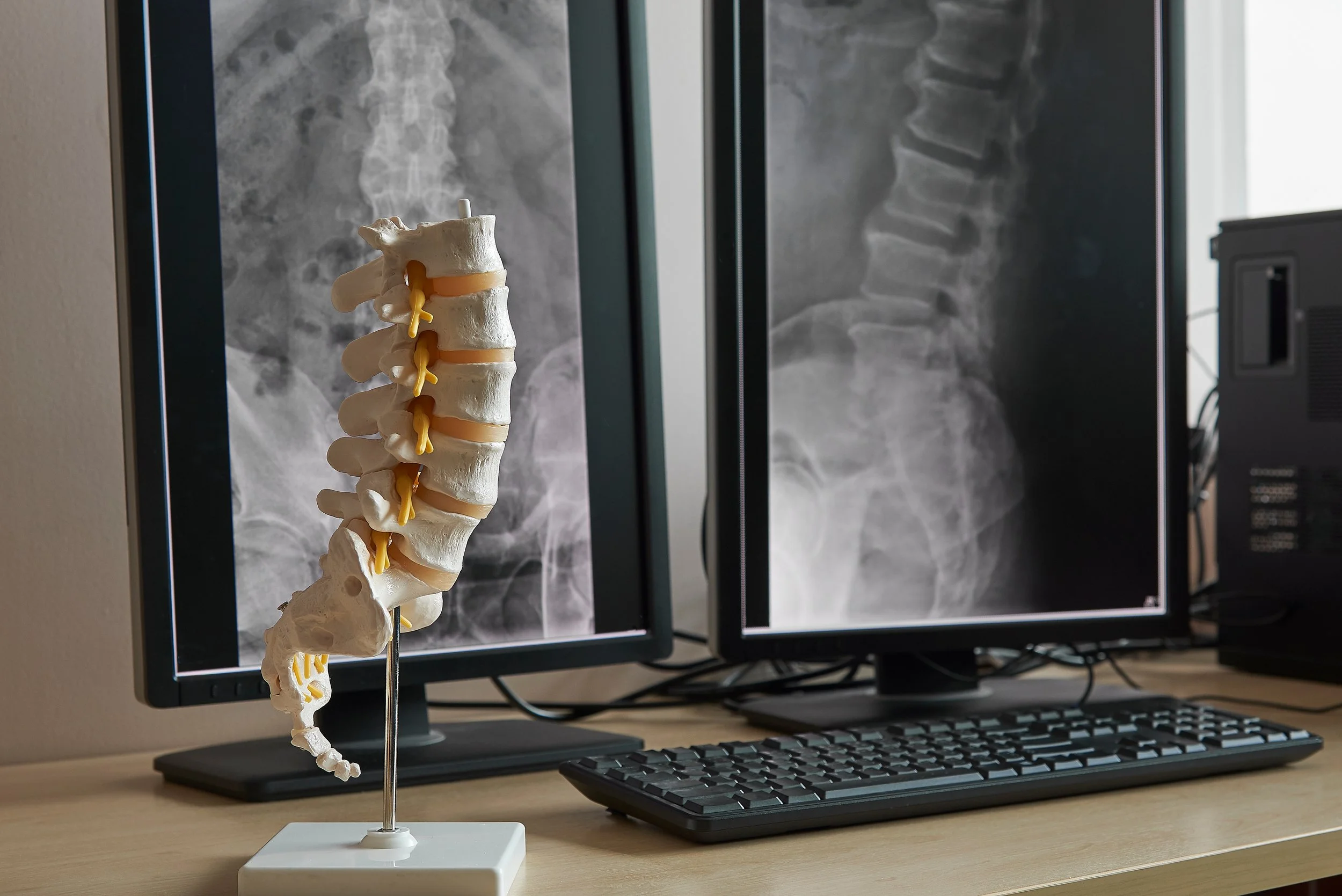
Chiropractic is a healthcare profession focused on the diagnosis, treatment, and prevention of musculoskeletal conditions, particularly those involving the spine, joints, muscles, and nervous system.
At its core, chiropractic care is based on a simple principle:
Your body is designed to move—and when it moves well, it functions better.
Chiropractors use hands-on techniques, most notably joint adjustments (manipulations), along with soft tissue therapy and movement-based rehabilitation, to restore proper function, reduce pain, and improve performance.
At High Performance Health Clinic, chiropractic care goes beyond symptom relief. We focus on:
Identifying movement dysfunctions
Restoring joint and tissue function
Improving strength, mobility, and control
Helping you return to—and excel in—your daily activities and sport

What Is a Chiropractic Adjustment?
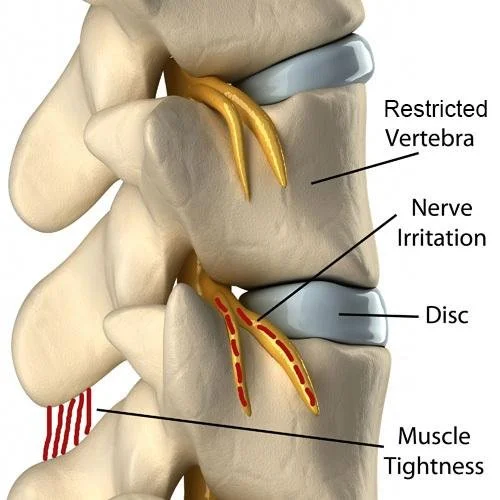
A chiropractic adjustment (also known as a joint manipulation) is a precise, controlled force applied to a joint that is not moving properly.
These joints may be:
Stiff or restricted
Painful with movement
Contributing to compensation patterns elsewhere in the body
The goal of an adjustment is to:
Restore normal joint motion
Reduce pain and stiffness
Improve neuromuscular function
You may hear a “pop” or “click” during the adjustment. This is not bones cracking, but rather the release of gas within the joint—similar to opening a sealed container.
The biomechanical Effects of an Adjustment
Chiropractic adjustments are not just mechanical—they create measurable physiological changes in the body.
1. Joint Mechanics & Mobility
When a joint becomes restricted, it alters how forces are distributed through the body.
Adjustments help:
Restore normal joint motion (arthrokinematics)
Reduce abnormal loading on surrounding tissues
Improve overall movement efficiency
2. Nervous System Modulation
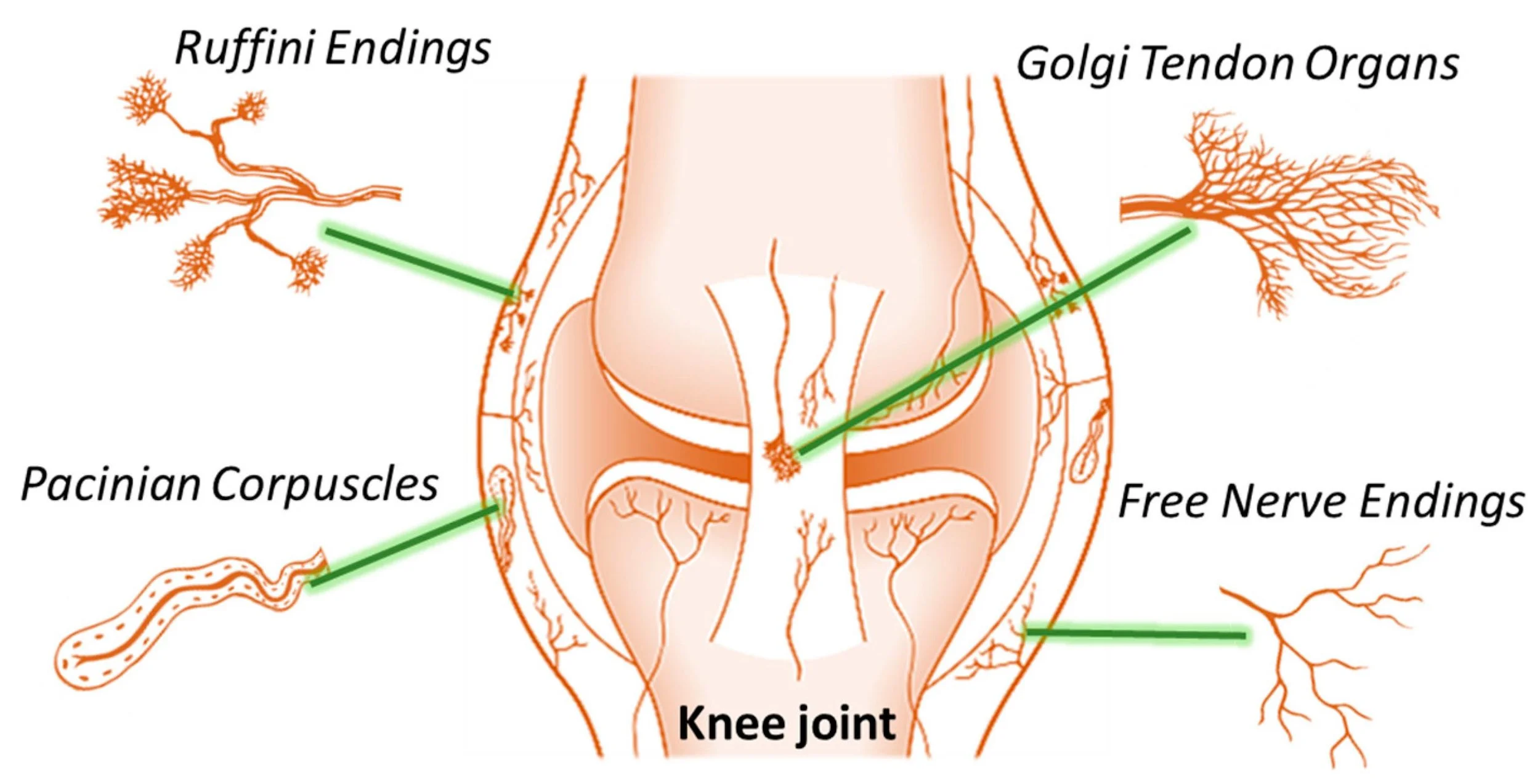
Joints are rich in mechanoreceptors—sensory structures that communicate with the brain.
When a joint is adjusted:
Sensory input to the brain improves
Pain signals can be down-regulated (reduced)
Motor control and coordination can improve
This is why patients often feel:
Less pain
Increased ease of movement
Better body awareness
3. Muscle Tone & Soft Tissue Response
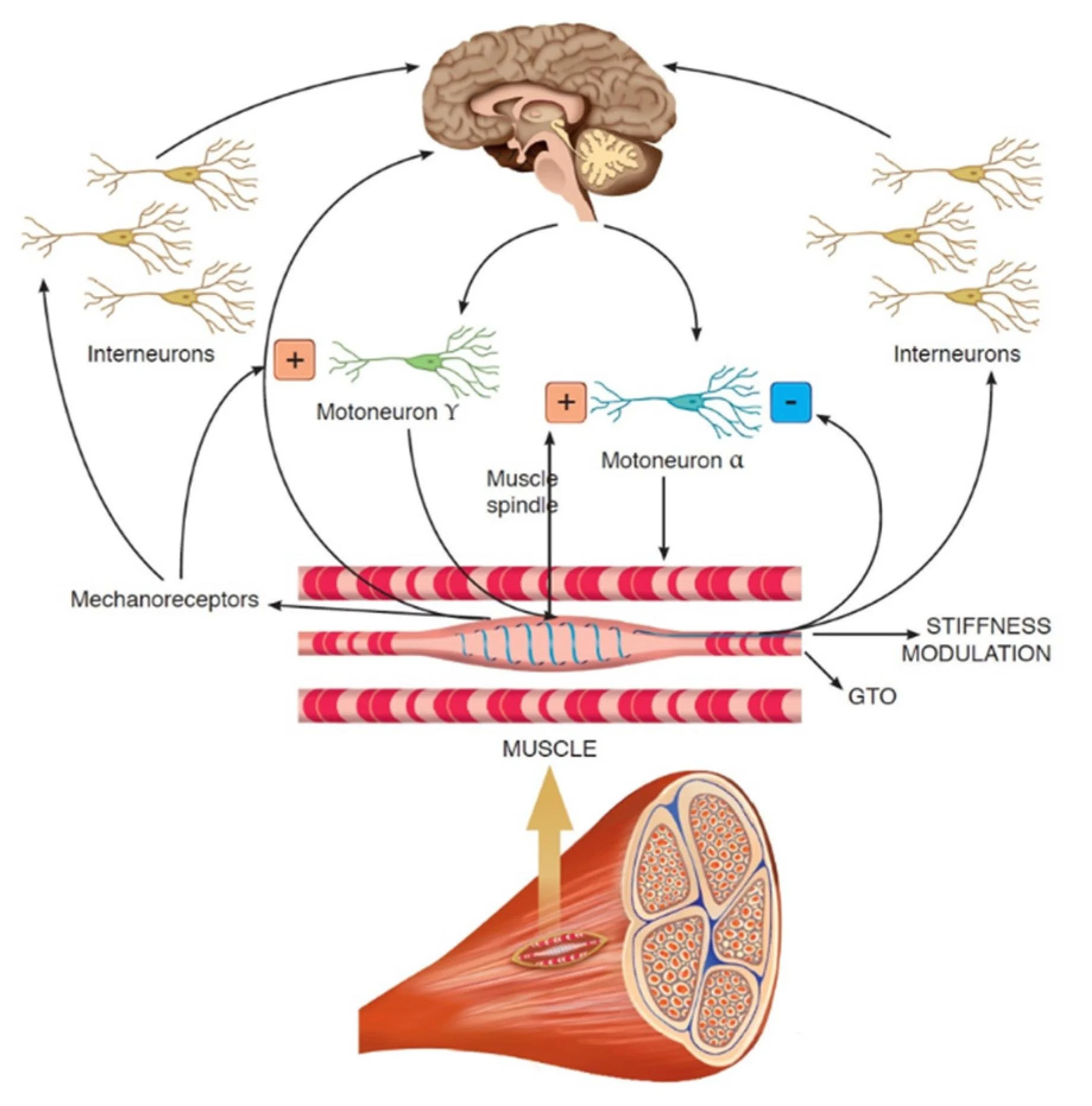
Restricted joints often lead to tight, overactive muscles nearby.
Adjustments can:
Reduce muscle guarding and spasm
Improve range of motion
Allow surrounding muscles to function more efficiently
This effect is enhanced when combined with:
Myofascial therapy
IASTM
Cupping
Corrective exercise
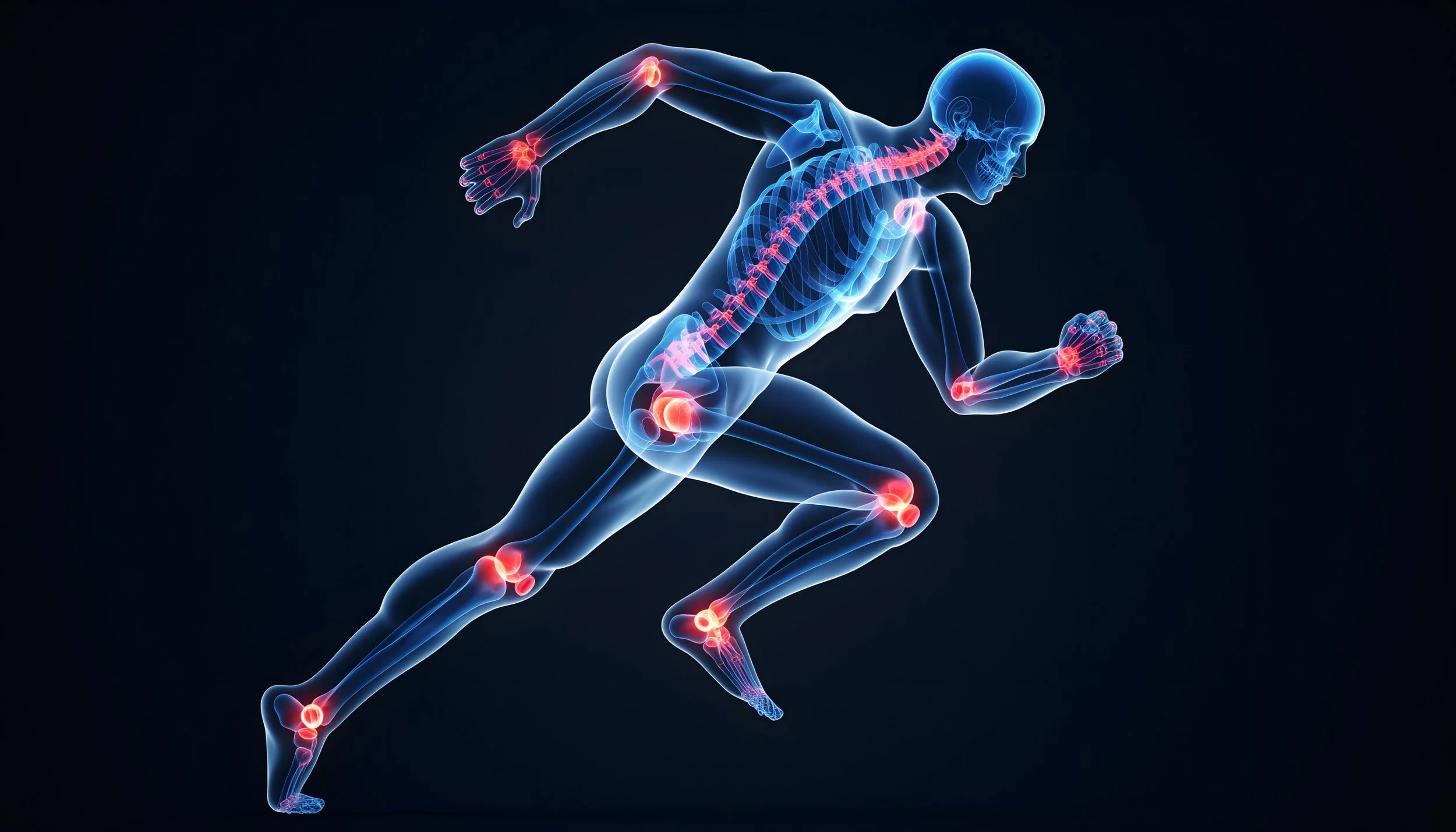
4. Movement & Performance Carryover
At HPHC, adjustments are not the endpoint—they are a tool within a larger system.
Once motion is restored, we reinforce it through:
Corrective exercises
Movement retraining
Sport-specific integration
This helps translate treatment into:
Better running mechanics
Improved golf swing mobility
Increased strength and resilience
Reduced injury risk
Frequently asked questions
-
Chiropractic care is commonly used for:
Low back pain
Neck pain
Headaches
Muscle tightness and joint stiffness
Sports-related injuries
Postural dysfunction
Movement limitations affecting performance
However, at HPHC, we also focus on:
Preventative care and performance optimization—not just pain relief.
-
Chiropractic care is widely considered safe and effective when performed by a licensed professional.
At HPHC:
Every patient undergoes a thorough evaluation and movement assessment
Adjustments are only performed when clinically appropriate
We modify techniques based on your comfort, condition, and goals
If your condition requires co-management or referral, we will guide you appropriately.
-
Longer, one-on-one sessions (20–60 minutes)
Integration of:
Adjustments
Soft tissue therapy
Therapeutic exercise
Individualized care based on:
FMS / SFMA / TPI principles
Focus on movement, performance, and long-term results
"Knowledge is power"
—Sir Francis Bacon, 1597